
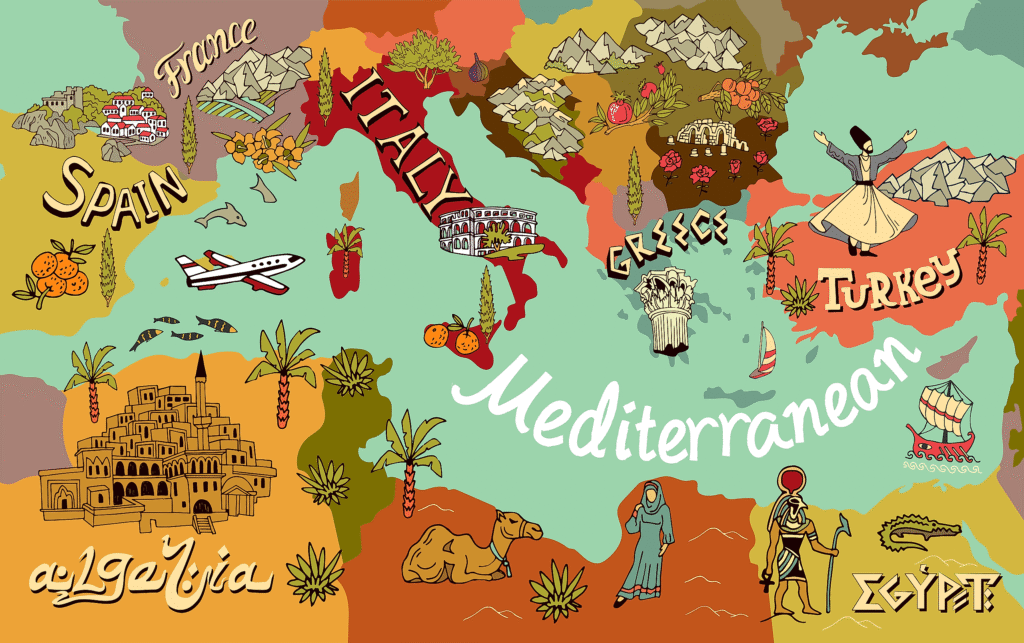
The Mediterranean hospitality market stands at a critical inflection point. Independent properties across Greece, Croatia, Turkey, Albania, Montenegro, Cyprus, and Malta face unprecedented opportunities—but only if they can navigate increasingly complex distribution challenges. This comprehensive market analysis reveals why strategic distribution partnerships have become essential for Mediterranean property success.
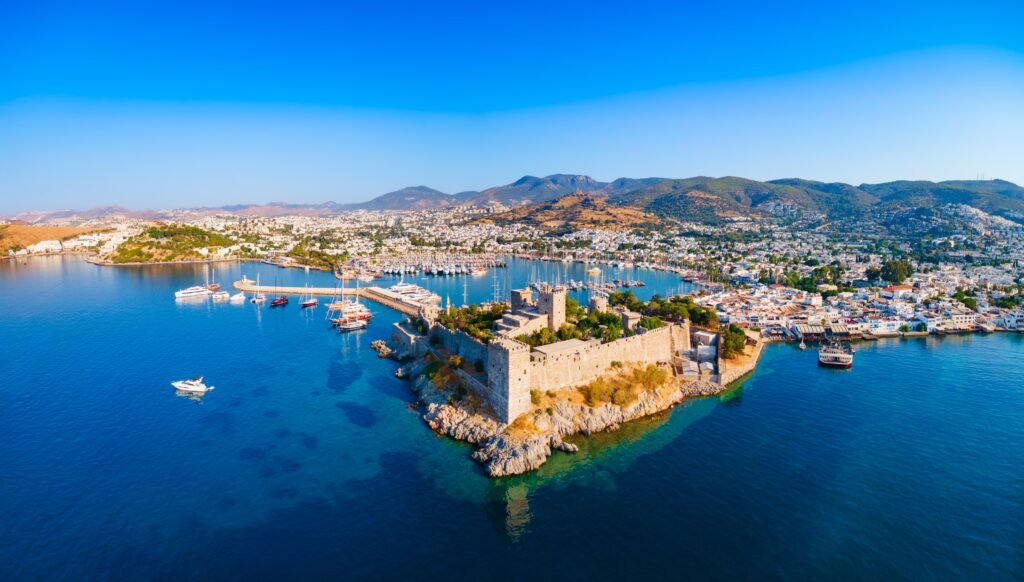
The Mediterranean Hospitality Landscape
The Mediterranean region attracts over 350 million international tourists annually, representing approximately 30% of global tourism arrivals. This massive market shows no signs of slowing, with post-pandemic recovery exceeding pre-2019 levels across most destinations.
Greek Islands: Tourism revenue reached €18.2 billion in 2024, with island destinations like Santorini, Mykonos, Crete, Rhodes, and Kos leading growth. However, this growth concentrates increasingly among properties with sophisticated distribution strategies, not necessarily those with the best locations or amenities.
Croatian Coast: The Adriatic has emerged from niche destination to mainstream favorite, particularly among Central European, German, and UK travelers. Independent villas and small hotels along the Dalmatian coast benefit from authentic character that major chains cannot replicate—yet struggle to reach buyers effectively.
Turkish Riviera: The Aegean and Mediterranean coasts of Turkey offer exceptional value propositions, combining luxury amenities with competitive pricing. Despite political and economic challenges, Turkish tourism demonstrates resilience, particularly in attracting Russian, Ukrainian, and Middle Eastern travelers.
Emerging Traveler Preferences Favor Independent Properties
Modern Mediterranean travelers increasingly seek authentic experiences over standardized hotel stays. This trend benefits independent properties with character, local connections, and distinctive offerings—but only if travelers can find them.
Authenticity Over Chains: Research shows 73% of travelers prefer independently owned accommodations when visiting Mediterranean destinations, citing authentic experiences, local character, and personalized service as primary drivers.
Boutique Experiences: Properties under 50 rooms with distinctive design, cultural integration, and personalized service outperform larger properties in guest satisfaction scores across Mediterranean markets.
Sustainable Tourism: Environmental consciousness influences booking decisions, with 68% of travelers willing to pay premium rates for properties demonstrating sustainable practices and community engagement.
Off-Peak Travel: Digital nomads, remote workers, and experience-seeking retirees increasingly book Mediterranean properties outside traditional summer seasons, creating year-round revenue opportunities for properties positioned to capture this demand.
These preferences create massive opportunities for independent Mediterranean properties—if they can reach the right travelers through effective distribution.
The Distribution Challenge Independent Properties Face
While traveler preferences favor independent properties, distribution realities favor major chains and well-funded platforms. This creates a critical gap between what travelers want and what they can easily book.
OTA Dependency: Most independent Mediterranean properties rely heavily on major OTAs like Booking.com and Airbnb, accepting commission rates of 18-25% because they lack alternatives. This dependency creates several problems:
- Unsustainable economics: Combined with operating costs, OTA commissions leave razor-thin margins
- No customer relationship: OTAs own guest data, preventing direct relationship building
- Race to the bottom: Algorithmic ranking rewards price cuts, not quality improvements
- Payment delays: Funds arrive weeks or months after guest checkout, creating cash flow challenges
Limited Market Access: Mediterranean properties outside major cities struggle to reach international source markets. A beautiful villa on a Croatian island or boutique hotel in Albania may offer exceptional experiences but remains invisible to Turkish, Asian, or Middle Eastern travelers who would value them highly.
Technology Barriers: Professional channel management, revenue optimization, and market-specific distribution require technology investments and expertise that small independent properties cannot justify.
Seasonal Concentration: Over-reliance on summer season and traditional source markets (Western Europe, UK) creates revenue volatility that threatens year-round viability.
Why Turkish and Global Markets Matter for Mediterranean Properties
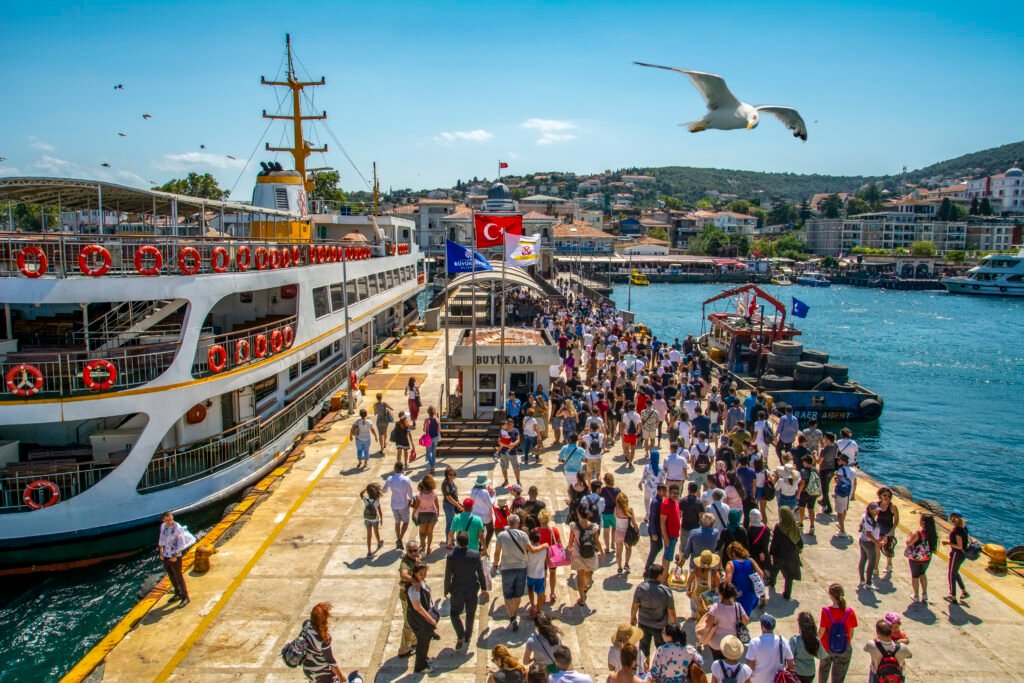
Turkish Source Market Opportunity: Turkey’s 85 million citizens represent one of the Mediterranean’s most valuable yet underutilized source markets for Greek, Croatian, and other regional properties. Turkish travelers seek Mediterranean experiences for:
- Island escapes: Greek islands offer proximity, beauty, and cultural connections
- Weekend breaks: Short flights make Croatian coast ideal for long weekends
- Family holidays: Beach destinations with authentic character attract Turkish families
- Value seekers: Competitive pricing in Croatia, Albania, Montenegro appeals to price-conscious Turkish travelers
Yet most independent Mediterranean properties have zero presence in Turkish distribution channels, missing this massive opportunity entirely.
Beyond Europe: Asian travelers increasingly explore Mediterranean destinations, seeking experiences beyond traditional European capitals. Chinese, Indian, and Southeast Asian middle-class growth creates expanding demand—but these travelers book through regional platforms where Mediterranean properties have minimal presence.
B2B Distribution: Tour operators, travel agencies, and corporate booking channels represent 40% of Mediterranean bookings but require relationships, contracts, and technology integration that independent properties struggle to manage.

Market-Specific Insights by Destination
Greece – Islands and Authenticity: Greek island properties benefit from established demand but face intense competition. Success factors include early booking incentives for shoulder seasons, authentic local experiences beyond beaches, and positioning in Turkish and Eastern European markets where Greek islands hold aspirational appeal.
Croatia – Emerging Premium: Croatia transitions from budget-friendly alternative to premium Mediterranean destination. Properties emphasizing sustainable tourism, cultural heritage, and authentic Dalmatian hospitality command premium rates from Northern European and increasingly Turkish markets.
Turkey – Value and Luxury Combination: Turkish properties offer exceptional facilities at competitive prices but need distribution beyond Russian and domestic markets. Properties successfully reaching Western European, Balkan, and Middle Eastern travelers through B2B channels achieve significantly higher revenues than those dependent on walk-ins and domestic bookings.
Albania and Montenegro – Hidden Gems: These emerging destinations offer unspoiled beauty and competitive pricing but suffer from limited visibility. Properties gaining early access to international distribution channels establish market leadership before destinations become saturated.
Cyprus and Malta – Year-Round Potential: Island destinations with mild winters and established infrastructure can achieve 70%+ year-round occupancy through proper distribution across winter sun-seeking Northern Europeans, corporate retreats, and digital nomad communities.

The Financial Impact of Strategic Distribution
Consider two comparable 20-room boutique hotels on a Greek island:
Property A (Traditional OTA Model):
- Average rate: €180/night
- OTA commission: 20%
- Annual occupancy: 65% (concentrated May-September)
- Annual revenue: €429,000
- Net after commissions: €343,200
- Cash flow: Delayed 30-60 days
Property B (Strategic Distribution Partnership):
- Average rate: €165/night (competitive NET rate)
- Distribution cost: 17%
- Annual occupancy: 75% (extended season via Turkish/global markets)
- Annual revenue: €452,063
- Net after distribution: €375,212
- Cash flow: Monthly guaranteed payments
Property B earns €32,012 more annually despite lower rates, achieves this with guaranteed monthly payments, and extends the season through access to markets Property A cannot reach.
Why Independent Properties Should Join Selective Networks
The mathematics of Mediterranean hotel distribution have shifted. Success no longer depends solely on location, amenities, or service quality—it depends equally on distribution sophistication.
Selective networks like YesBooked’s Boutique Network offer independent properties access to:
Premium Distribution Channels: Direct integration with Paximum (Turkish market), Hotelbeds (global B2B), and emerging source markets that independent properties cannot access individually.
Payment Certainty: Guaranteed payments eliminate cash flow volatility and bad debt risk that plague direct OTA relationships.
Better Economics: Total distribution costs of 16-19% versus OTA commissions of 18-25%, combined with competitive NET rates, deliver superior profitability.
Market Diversification: Presence across Turkish, European, Asian, and corporate channels reduces seasonal volatility and single-market dependency.
Technology Access: Professional revenue management, channel optimization, and performance analytics without capital investment.
Curated Positioning: Association with selective networks signals quality, differentiating properties from mass-market listings.
The Path Forward for Mediterranean Properties
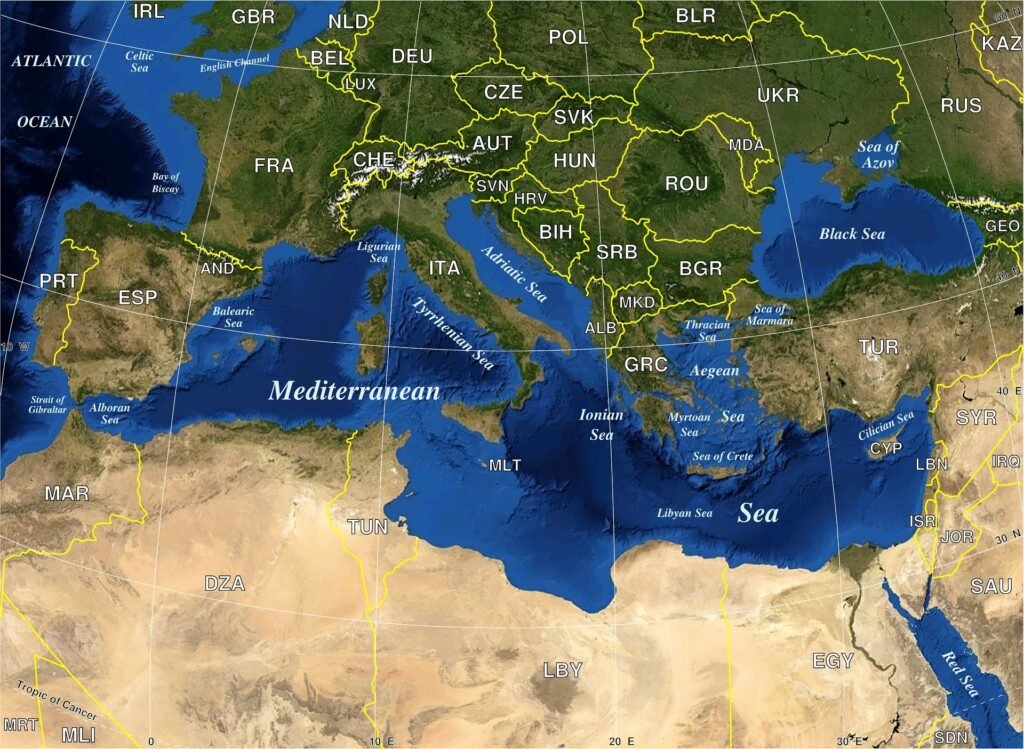
Independent Mediterranean properties face a clear choice: continue relying on OTA dependency and limited market access, or embrace strategic distribution partnerships that provide premium channel access with guaranteed payments and better economics.
The properties thriving in 2026 and beyond won’t necessarily be those with the best locations—they’ll be those with the smartest distribution strategies.
Conclusion: Strategic Distribution as Competitive Advantage
The Mediterranean hospitality market offers tremendous opportunities for independent properties with authentic character and quality service. But accessing these opportunities requires distribution sophistication that most independent operators cannot build alone.
Selective distribution networks provide the solution: premium market access, guaranteed payments, better economics, and personal partnership support that treats independent properties as valued partners rather than commoditized inventory.
For Mediterranean properties ready to move beyond OTA dependency and access global markets, the time to act is now. Selective networks are curating partners carefully—not everyone will gain access.
About Yesbooked & Verano Hotels Synergy
For hotels seeking deeper strategic, commercial, or brand development support, Yesbooked and Verano Hotels Synergy (www.veranohotels.com & www.yesbooked.com) provide specialized hospitality expertise tailored to evolving market dynamics.
Yesbooked is created by Verano Hotels Synergy — a hospitality consultancy with proven results since 1998, specialized in the Greek hotel market, international partnerships, and strategic B2B market development across Europe and the Eastern Mediterranean.
Our role goes beyond simple distribution. We act as a long-term commercial partner in new source markets, helping hotels unlock qualified demand, strengthen market positioning, and generate sustainable incremental revenue through a structured and strategic approach.