

Over the past decade, Asia has transformed from an emerging outbound market into one of the strongest engines of global travel growth. What makes this shift even more significant today is not only the volume of travellers, but the rise of high-spending, experience-driven luxury guests across Asia’s most dynamic economies.
From East Asia to Southeast Asia to the Indian subcontinent, a new generation of premium travellers is shaping international demand with sophisticated expectations, refined tastes, and a willingness to spend more for unique, high-quality experiences. For hotels aiming to strengthen revenue, diversify source markets, and stabilize seasonality, understanding the behaviour of Asian luxury travellers is now essential.
This article explores the factors driving the rise of Asian luxury travel, the characteristics of these guests, their booking behaviours, and the strategic considerations hotels must keep in mind in order to attract and convert this rapidly expanding segment.
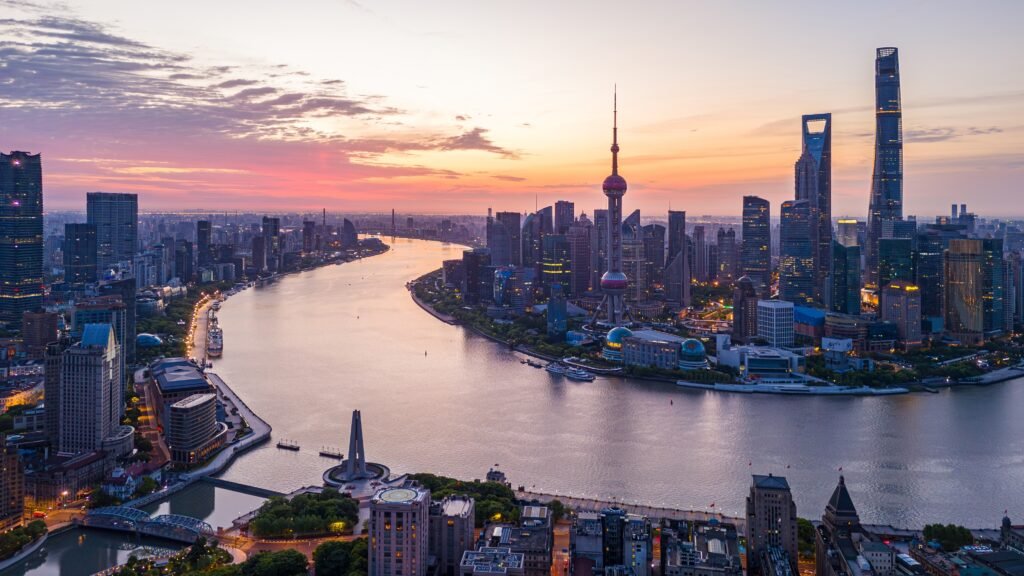
1. The Drivers Behind Asia’s Luxury Travel Boom
1.1. Expanding affluent classes
Across Asia, economic growth has expanded the upper-middle class and increased disposable income, creating millions of travellers who can afford premium experiences.
Countries like Japan, South Korea, Singapore, and Hong Kong have long histories of outbound travel, but what is new is the significant expansion of affluent first-time luxury travellers from markets such as China, India, Indonesia, Vietnam, and the Philippines.
1.2. Lifestyle prioritization
Asian consumers increasingly allocate budget toward:
- travel
- wellness
- gastronomy
- design-oriented spaces
- once-in-a-lifetime experiences
Travel is no longer a luxury—it is part of a desirable lifestyle and a form of self-expression.
1.3. Influence of digital ecosystems
Travel inspiration spreads rapidly through:
- social media
- influencers
- online communities
- mobile-first travel platforms
- short-form video content
This has accelerated interest in international destinations that offer strong visual appeal, cultural immersion, and a sense of prestige.
1.4. Year-round travel trends
Unlike many Western markets, Asian luxury travellers are not tied to rigid school or corporate holiday periods. Many travel:
- offseason
- mid-week
- shoulder seasons
- spontaneously
This makes them extremely valuable for hotels aiming to stabilize occupancy outside peak windows.
2. The Profile of Today’s Asian Luxury Traveller
While each Asian market has its own nuances, several characteristics consistently define the region’s premium travel behaviour.
2.1. Experience-driven decision-making
Luxury travellers from Asia prioritize:
- high design value
- authentic local culture
- curated experiences
- personalized service
- immersive nature and wellness
- unique culinary offerings
They seek hotels that offer something distinctive, not just comfortable.
2.2. Longer stays and higher on-property spend
These travellers tend to:
- book premium room categories
- choose suites, sea views, or private pools
- spend heavily on dining
- use spa and wellness services
- book excursions and additional experiences
Total revenue per stay is significantly higher than the average international guest.
2.3. Photo-driven preferences
Visual identity strongly influences their booking decisions. Hotels that present:
- striking architecture
- clean, bright interiors
- premium bathroom experiences
- elegant pools and outdoor spaces
- high-quality F&B photography
are more likely to convert this audience.
2.4. Mobile-first, fast decision cycles
Most Asian travellers research and book through mobile channels, often comparing:
- visuals
- clarity of information
- availability
- room features
- cancellation terms
Presentation plays a major role in conversion.
3. Key Market Differences in Booking Behaviour
3.1. East Asia (Japan, Korea, Taiwan)
Travellers from these regions tend to:
- be detail-oriented
- prioritize safety and service quality
- look for wellness and outdoor experiences
- book clean, stylish environments
- favour calm, organized destinations
Booking windows: moderate to early, often 20–60 days.
3.2. China
Chinese luxury travellers showcase:
- strong interest in premium rooms
- high mobile engagement
- appetite for visually appealing properties
- openness to trying new destinations
- desire for convenience and seamless experiences
Booking windows: shorter, often 7–20 days.
3.3. Southeast Asia (Singapore, Malaysia, Indonesia, Vietnam)
Travellers from this region are often:
- spontaneous
- high-spending in F&B
- drawn to design-led properties
- interested in Mediterranean culture and coastal landscapes
Booking windows: short, flexible, 7–15 days.
3.4. India
India’s premium travellers are rapidly expanding and often:
- travel in families or groups
- value comfort and privacy
- spend significantly on dining and activities
- book long stays
- prefer clear, structured information
Booking windows: 10–40 days.
4. Why Many Hotels Miss Out on Asian Luxury Demand
Despite the scale of this market, many hotels fail to capture Asian luxury travellers due to strategic and operational gaps.
4.1. Insufficient regional visibility
Hotels often rely primarily on European and domestic markets. Without exposure to Asia-facing distribution channels, luxury travellers simply do not find them.
4.2. Weak mobile presentation
Mobile-first travellers expect:
- high-quality photos
- accurate room information
- clear descriptions
- easy-to-read layouts
- fast-loading pages
Hotels without optimized content lose high-value bookings quickly.
4.3. Limited focus on experience-rich storytelling
Asian travellers choose hotels based on:
- visuals
- emotional appeal
- atmosphere
- uniqueness
Properties that rely only on functional descriptions appear less attractive to this audience.
4.4. Slow or outdated distribution systems
In fast-moving markets, delays in:
- availability updates
- content corrections
- rate accuracy
- room-type mapping
lead to conversion loss.
5. What Hotels Can Do to Attract Asian Luxury Travellers
5.1. Invest in strong visual identity
Hotels must prioritize:
- updated photography
- bright and modern images
- focus on room details
- storytelling through visuals
- lifestyle-oriented content
This is non-negotiable for Asia’s premium audience.
5.2. Offer experience-driven content
Hotels should clearly communicate:
- wellness offerings
- culinary experiences
- local culture
- nature access
- design elements
- special packages
Experience sells more than amenities.
5.3. Ensure mobile-first clarity
Key details should be easy to understand within seconds:
- room size
- bed type
- view
- breakfast options
- cancellation terms
- inclusions
Clear content increases conversion.
5.4. Strengthen multi-market distribution
Hotels should ensure visibility across:
- leisure markets
- premium short-haul markets
- emerging long-haul markets
- off-season markets
This diversification stabilizes performance and spreads risk.
6. Conclusion: Asia Is Reshaping Global Luxury Travel
The influence of Asian luxury travellers will only increase across 2025–2026 and beyond. Their evolving preferences—design-focused stays, wellness-led experiences, mobile-first booking, and appetite for new cultures—align perfectly with destinations in the Mediterranean and Aegean.
Hotels that adapt their strategy today will benefit from:
- higher year-round occupancy
- stronger ADR
- deeper market diversification
- more resilient commercial performance
Those who fail to evolve risk missing out on a rapidly growing segment that increasingly shapes global travel trends.
About Yesbooked & Verano Hotels Synergy
For hotels seeking deeper strategic, commercial, or brand development support, Yesbooked and Verano Hotels Synergy (www.veranohotels.com & www.yesbooked.com) provide specialized hospitality expertise tailored to evolving market dynamics.
Yesbooked is created by Verano Hotels Synergy — a hospitality consultancy with proven results since 1998, specialized in the Greek hotel market, international partnerships, and strategic B2B market development across Europe and the Eastern Mediterranean.
Our role goes beyond simple distribution. We act as a long-term commercial partner in new source markets, helping hotels unlock qualified demand, strengthen market positioning, and generate sustainable incremental revenue through a structured and strategic approach.